Rehabilitation of a Residual Space
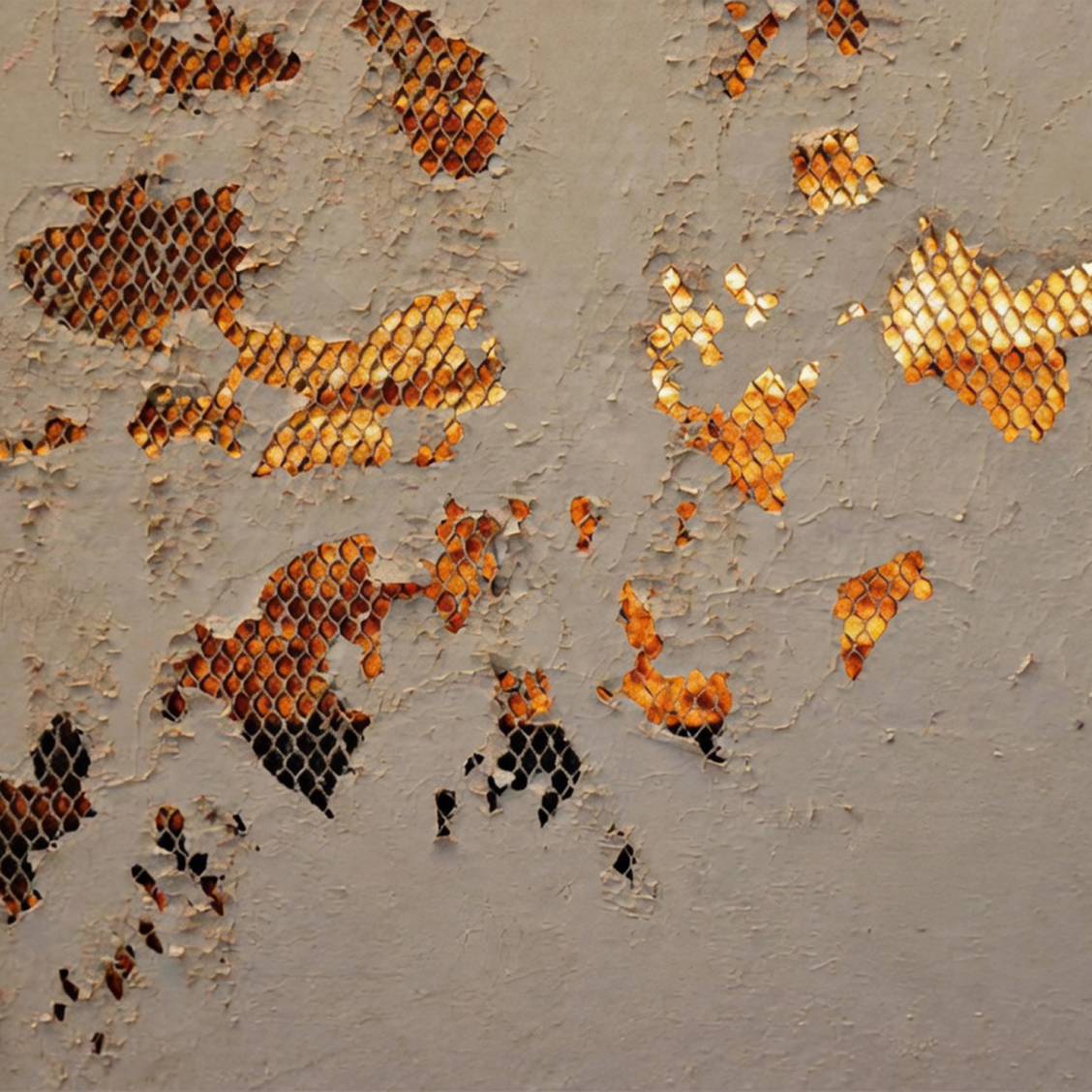
Urbanist Jay Shuffield argues in his Residual Space theory that the creation of any social space inevitably involves the destruction of what came before, whether through erasure, competition, or displacement. Similarly, forming new identities often requires resisting and replacing existing ones. Yet this destruction always leaves behind traces, fragments too resilient or peripheral to be fully erased.
Residual spaces often emerge as a result of economic crises, social conflict, or, more commonly, urban restructuring. These enclaves, because they generate no tangible benefit, are typically left in their original state, becoming irrelevant or even detrimental to their surrounding context.
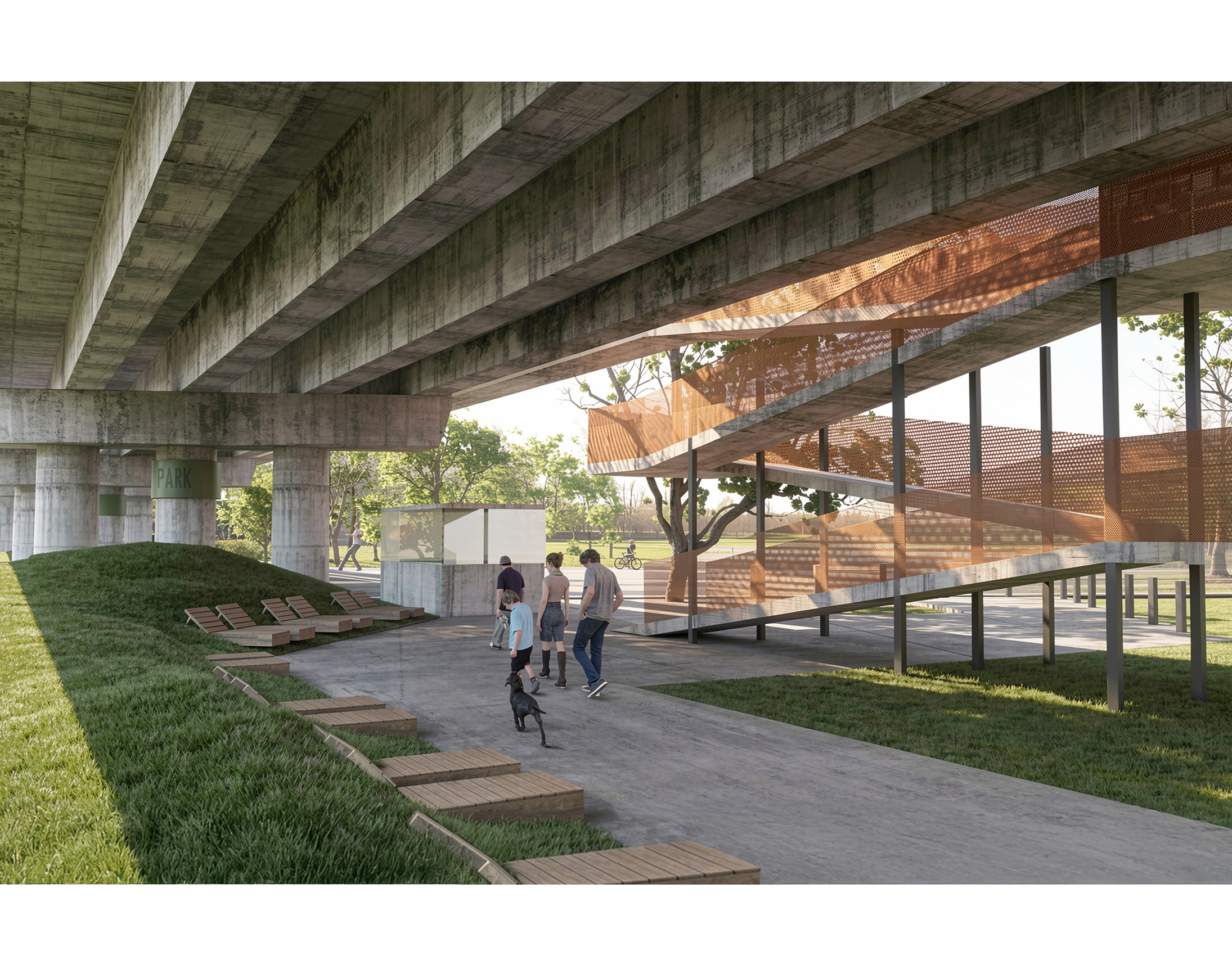
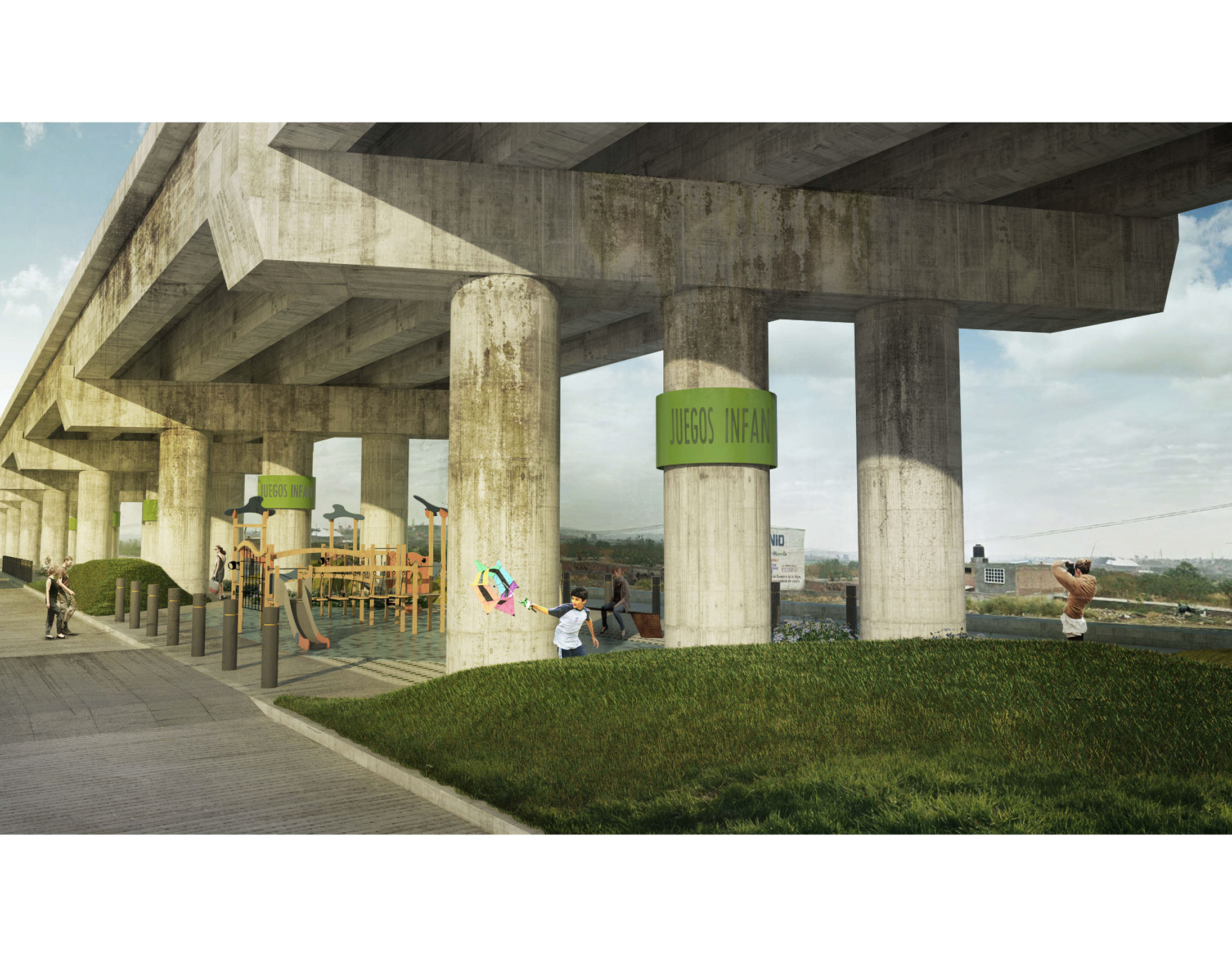
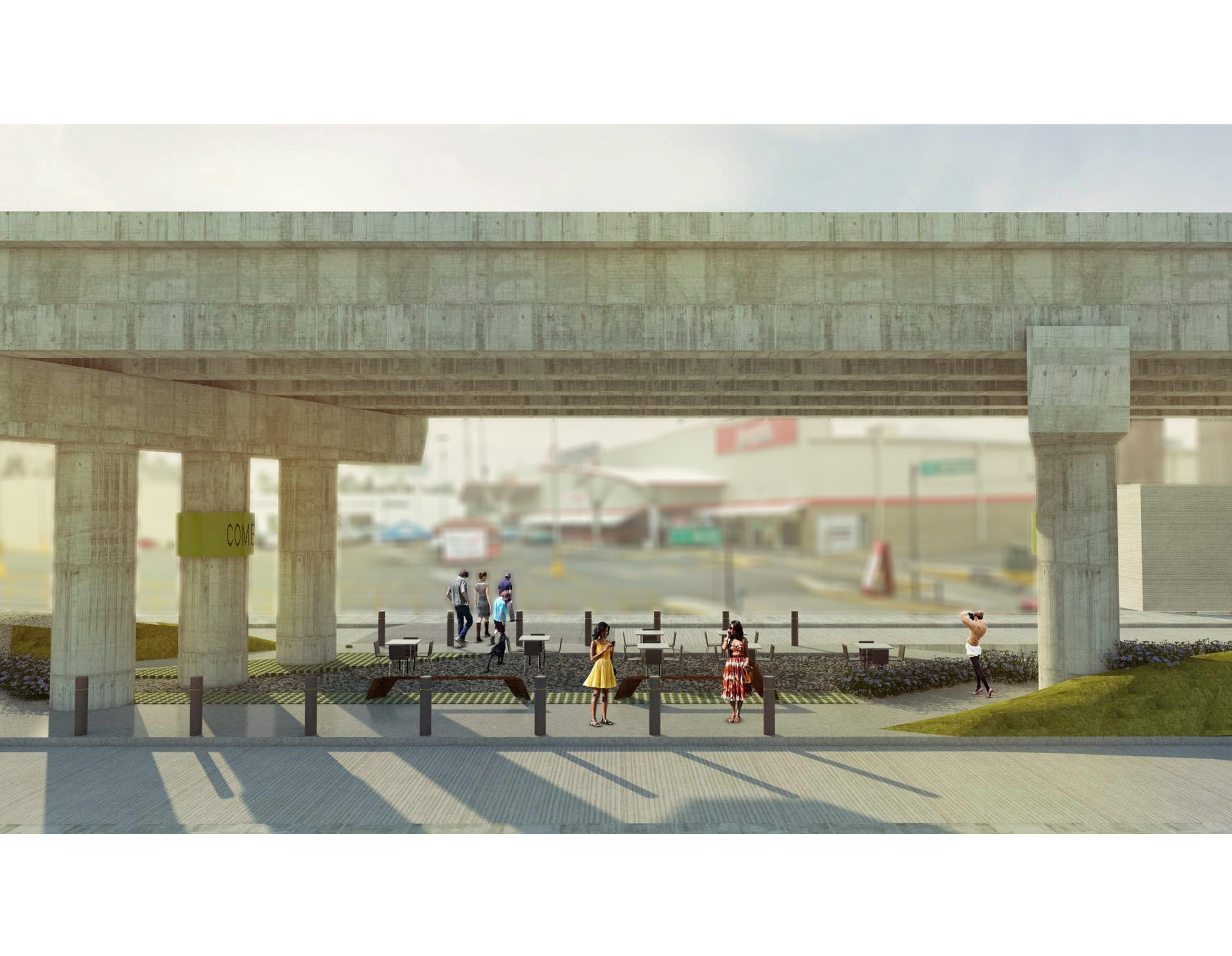
This project focuses on the analysis and transformation of one of these residual spaces, with the goal of diversifying land use and enhancing its adaptability over time. Beyond its physical redesign, the intervention is rooted in the belief that when people feel a sense of connection and belonging to their environment, when it is thoughtfully designed and visibly cared for, they are more likely to engage with it, maintain it, and take ownership. This reciprocity between human behavior and space has the potential to improve quality of life, especially in underserved areas, by fostering community, reducing neglect, and even lowering crime rates.
As Jane Jacobs argued in The Death and Life of Great American Cities, the presence of engaged residents, “eyes on the street,” can be a powerful form of social control. Similarly, Oscar Newman’s concept of defensible space supports the idea that well-designed public environments can encourage stewardship and discourage criminal behavior. By creating a public space of convergence that promotes participation, sociability, and dignity, the project seeks to not only respond to residents' immediate needs but to help shape a more inclusive and resilient urban fabric.
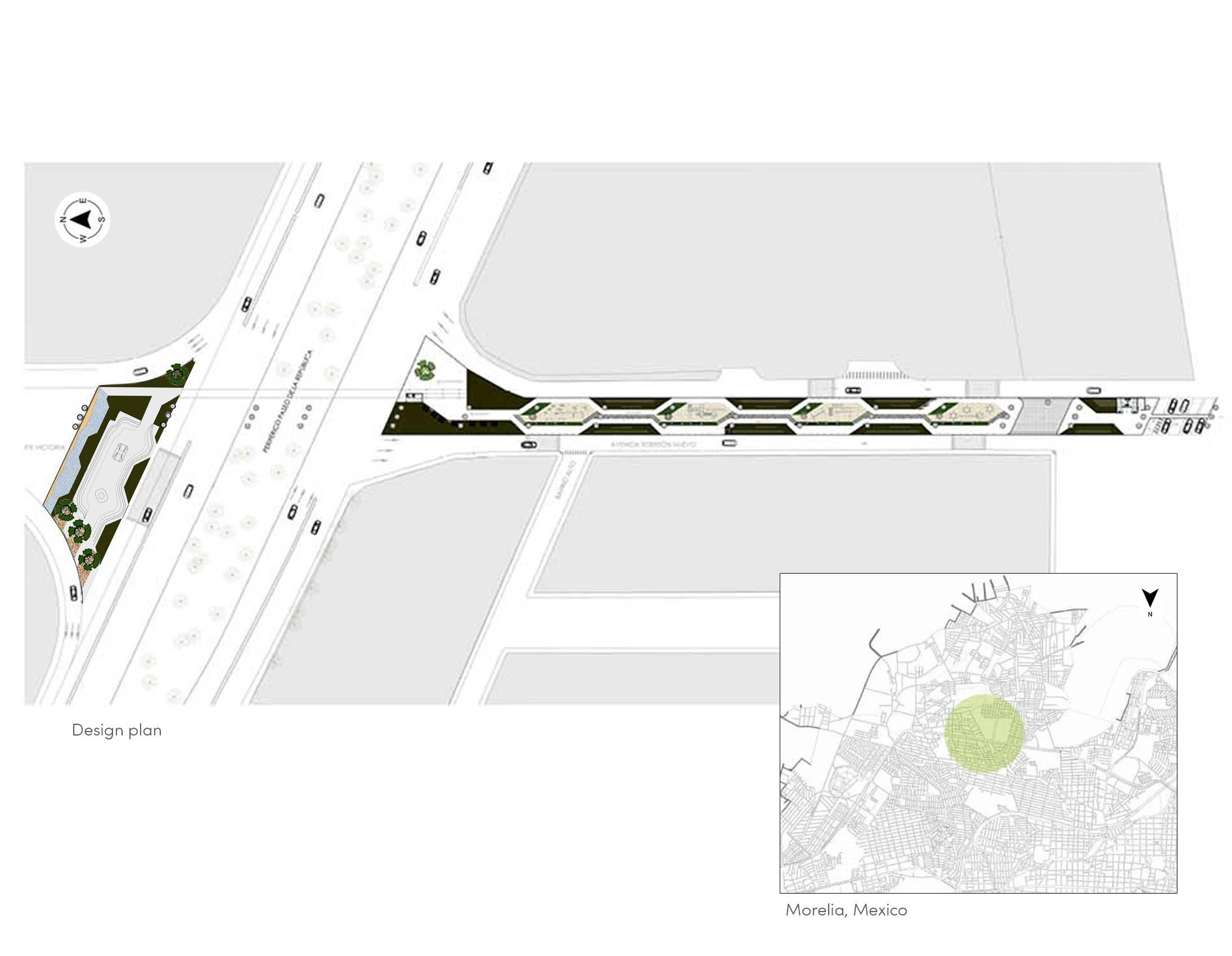
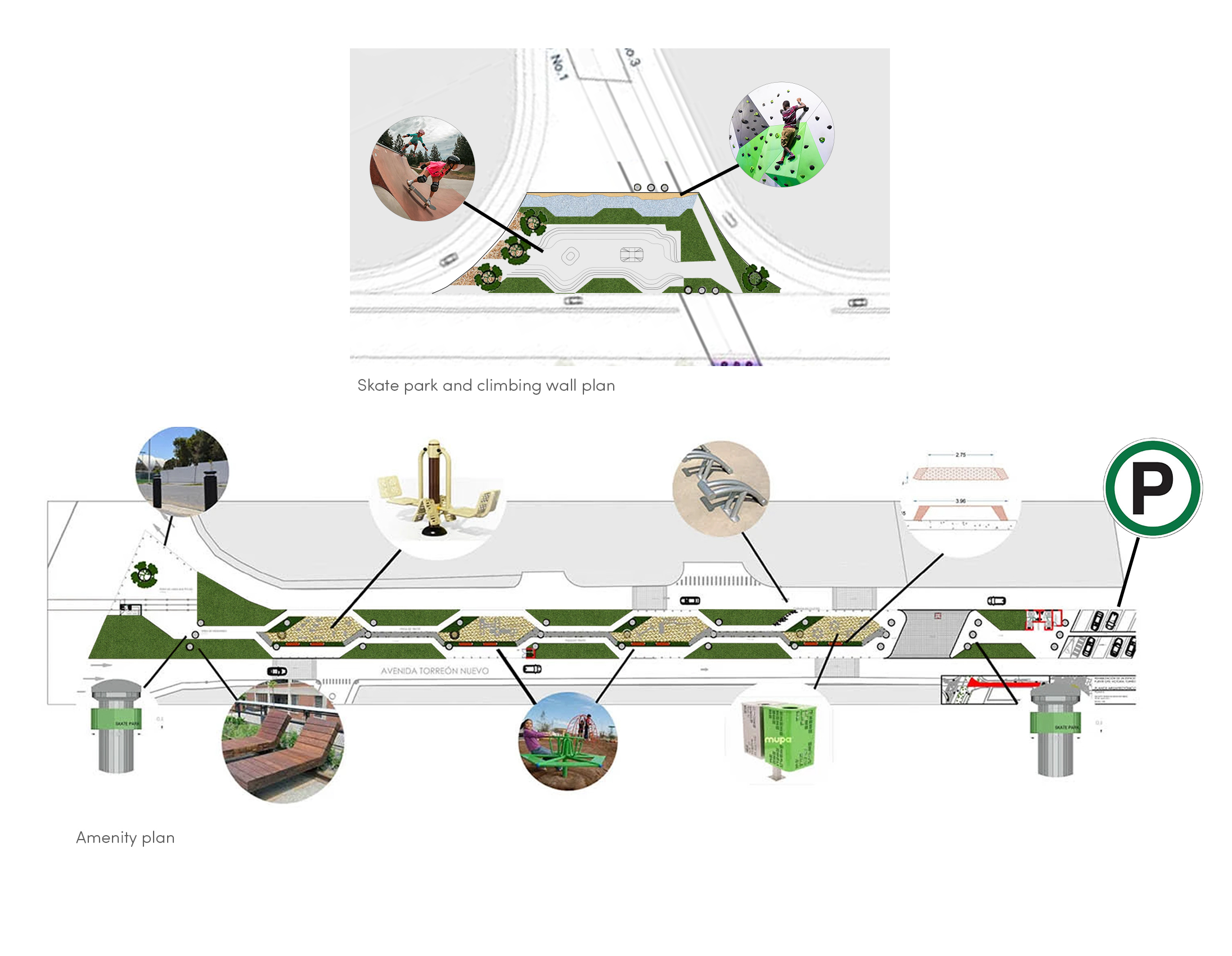
A thorough site analysis was conducted to better understand the residents of the area, as they would be the primary users of the transformed space. Based on this understanding, an architectural program was developed to meet their needs, ensuring the inclusion of people of all ages and abilities.
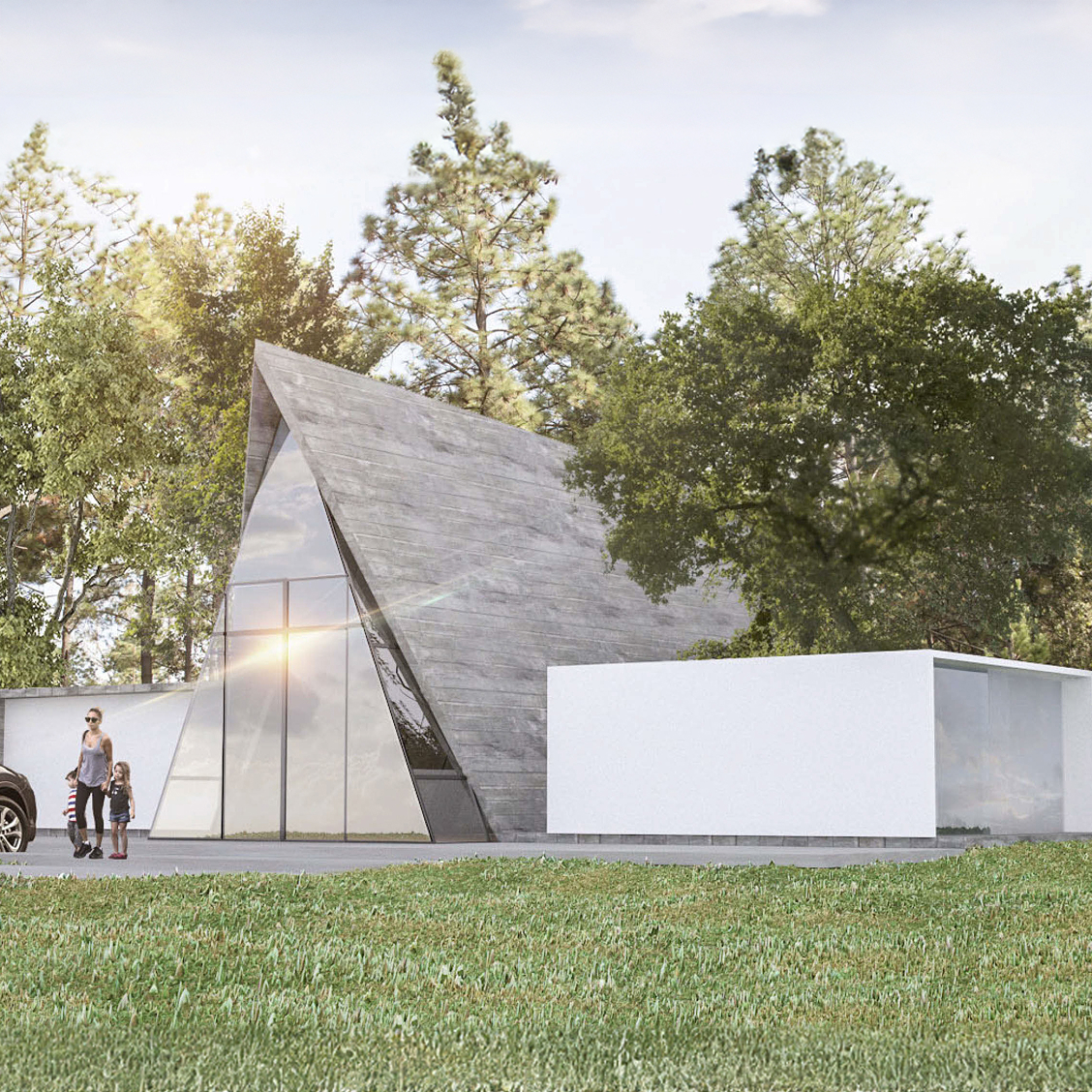
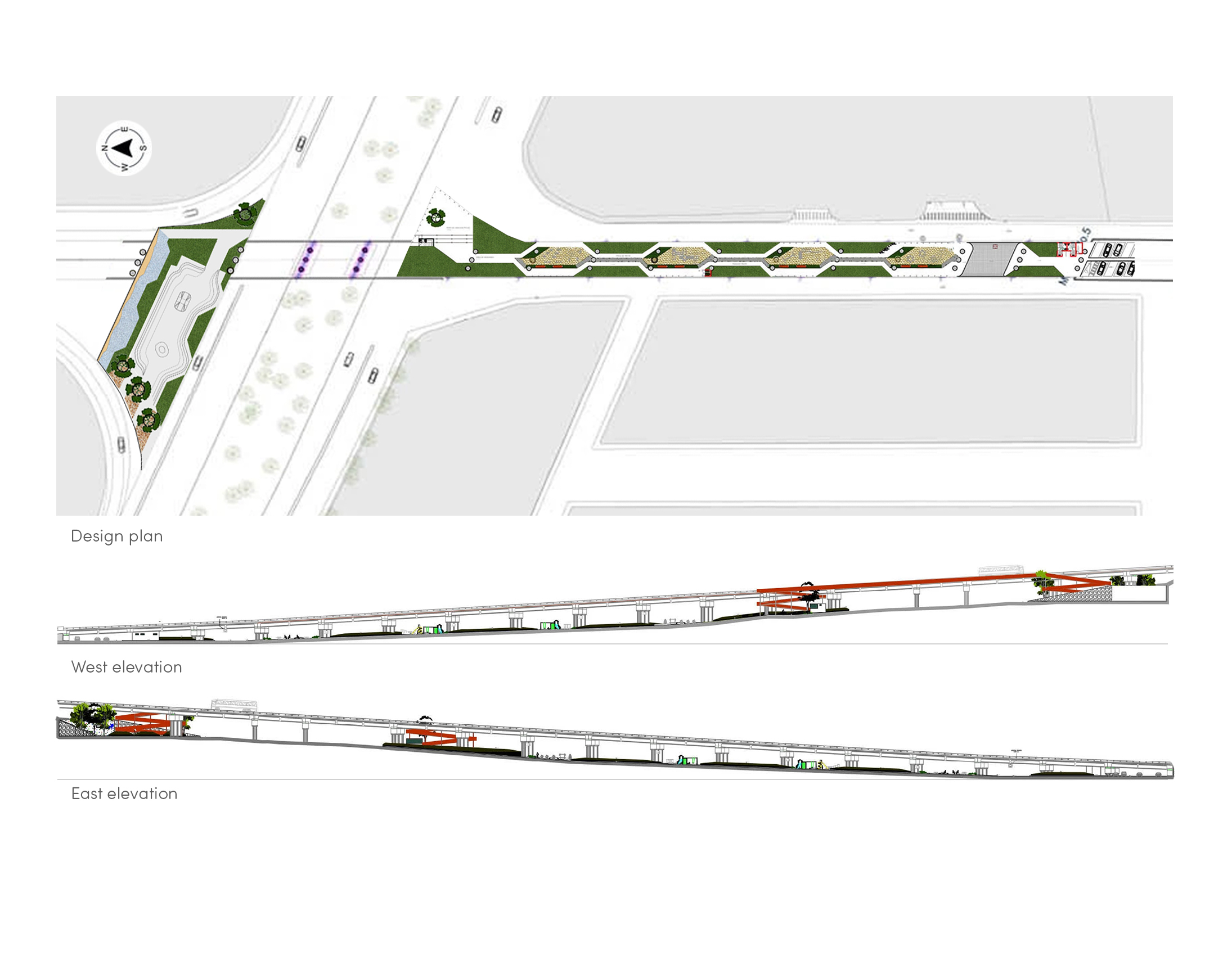
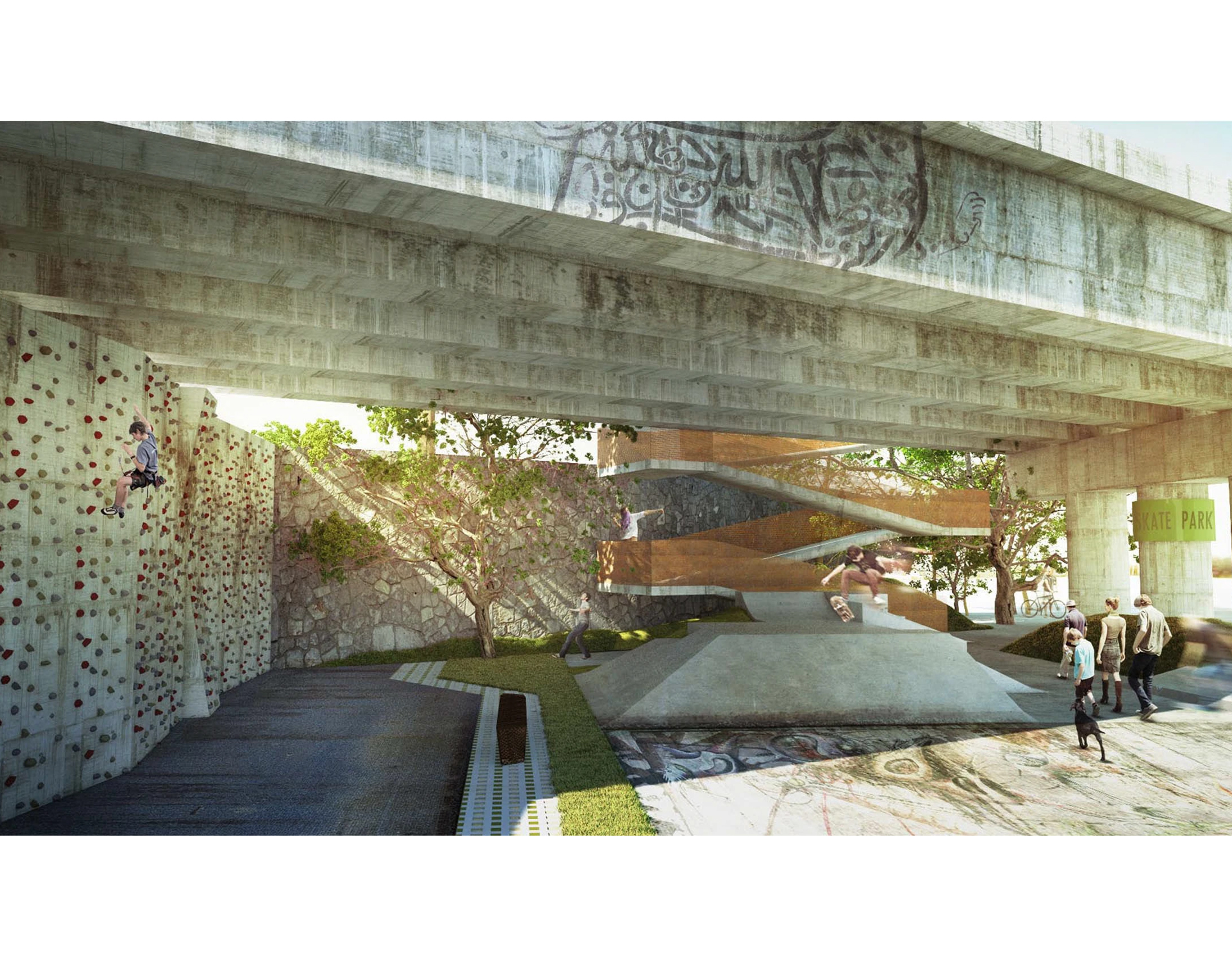
The project aims to foster a meaningful relationship between the user and the space, one that encourages a sense of mutual dependence, allowing the public space to be continuously used, cared for, and preserved. The final design features geometric forms, natural materials sourced from the region, low-maintenance native vegetation, and a variety of gathering areas that invite pedestrians to linger and engage with the space.